A practical guide to entering sites, reading information and making clear calls on attack and defense.
See the subjects in this guide.

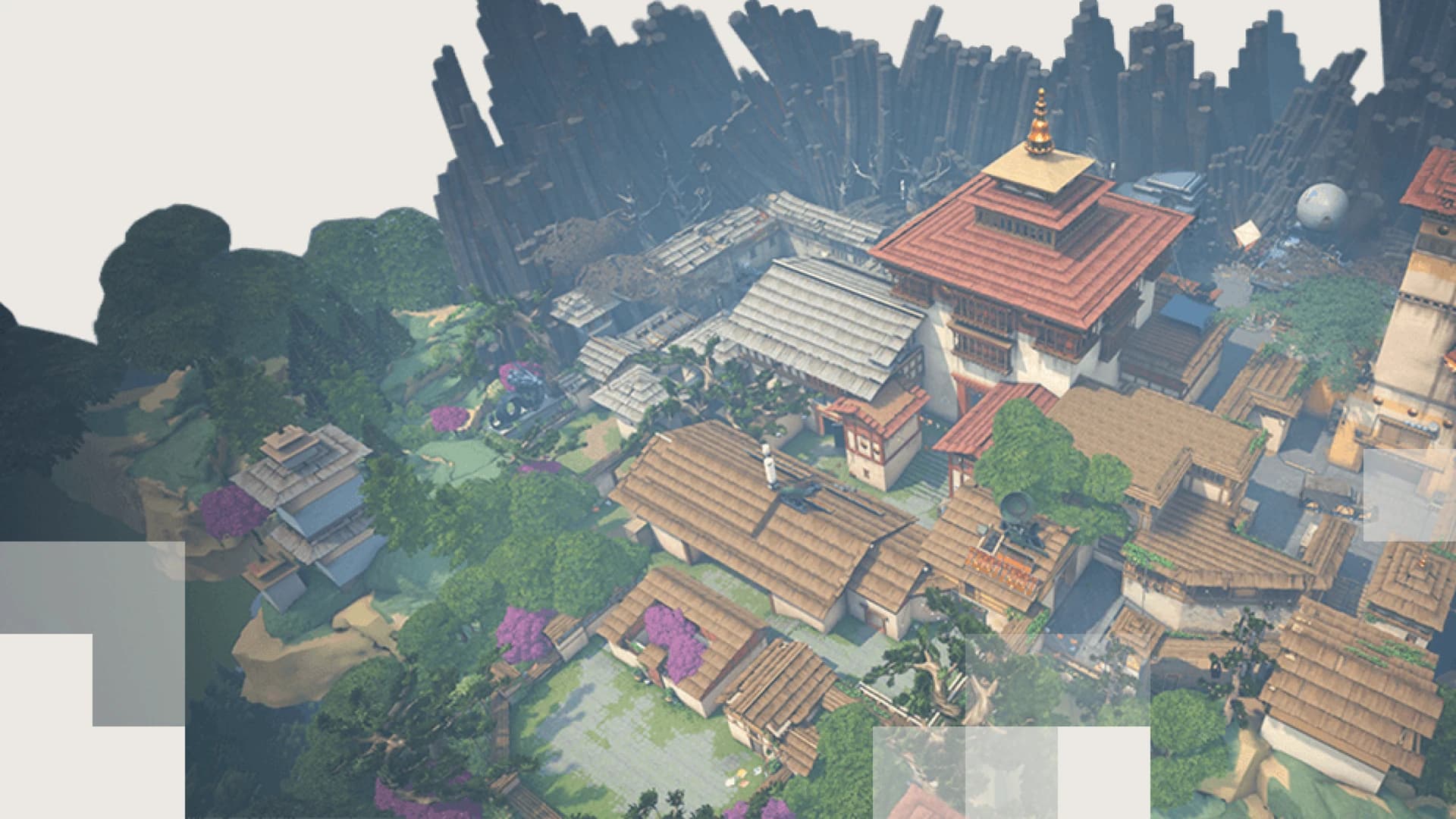
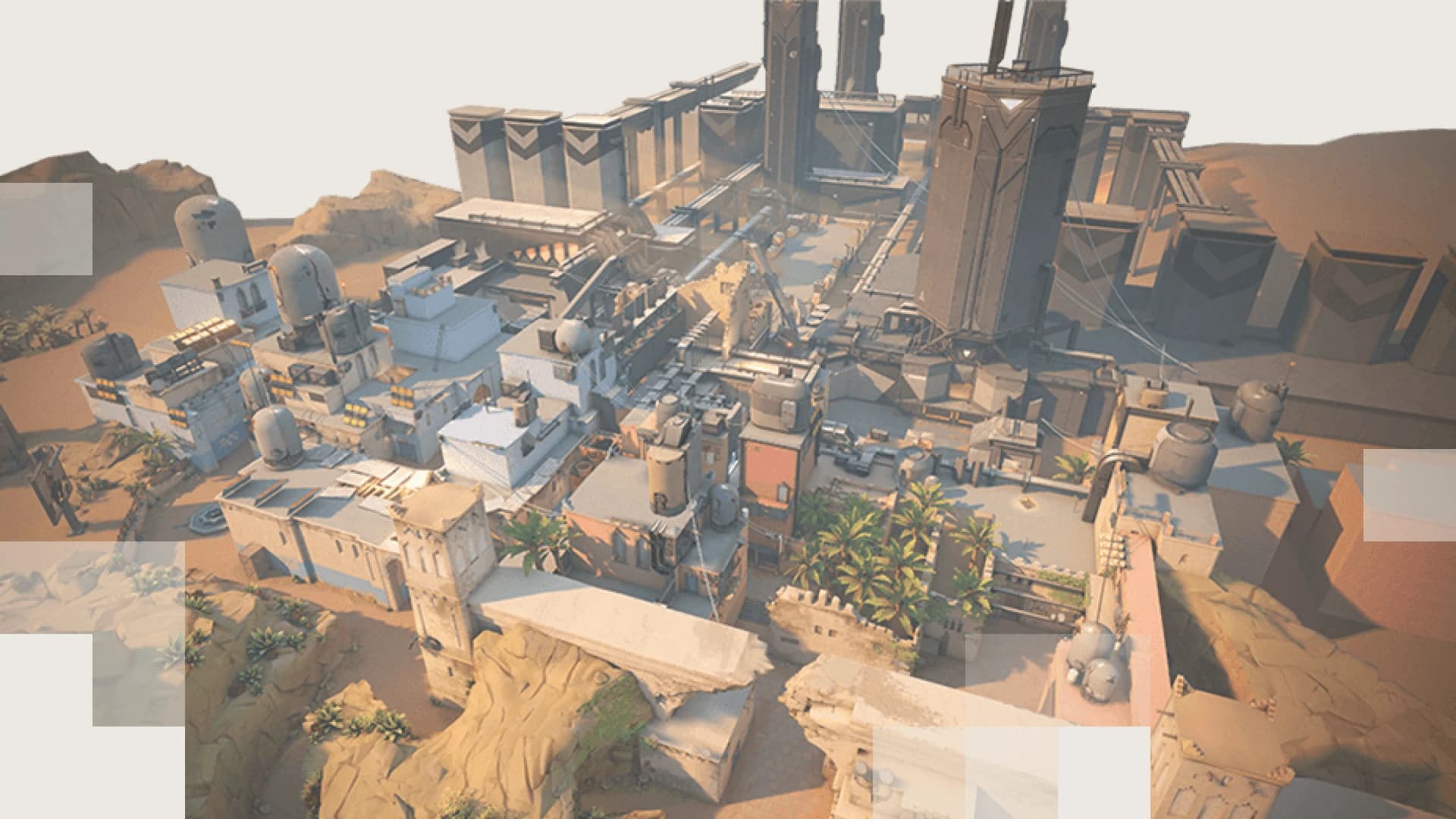
Build an attack plan
Pick a destination, discuss who uses utility first and decide how the team will trade and follow up. Entering without communication often wastes the advantage provided by a flash or smoke.
A clear role for the spike carrier helps avoid confusion once the site is reached. Listen for defender information and be ready to change pace if a route becomes unsafe.
Defend space with a purpose
On defense, gather reliable information, keep useful angles covered and avoid taking isolated fights unnecessarily. Utility can delay attackers or prevent them from crossing exposed space.
Rotations should follow evidence rather than panic. Communicate the number of opponents seen and whether the spike has been confirmed before asking the whole team to move.
Review one repeatable decision
After a round, identify one decision that mattered: timing, utility coordination, sound information or the trade attempt. Record one improvement for the next round.
Do not treat a single lost duel as proof that an entire agent or composition is wrong. Focus on actions your team can reproduce and improve.
Editorial sources
References to primary developer and publisher material. Details may change after the last review date.
Volpedia was created under Riot Games’ “Legal Jibber Jabber” policy using assets owned by Riot Games. Riot Games does not endorse or sponsor this project. Media policy ↗
Continue learning.
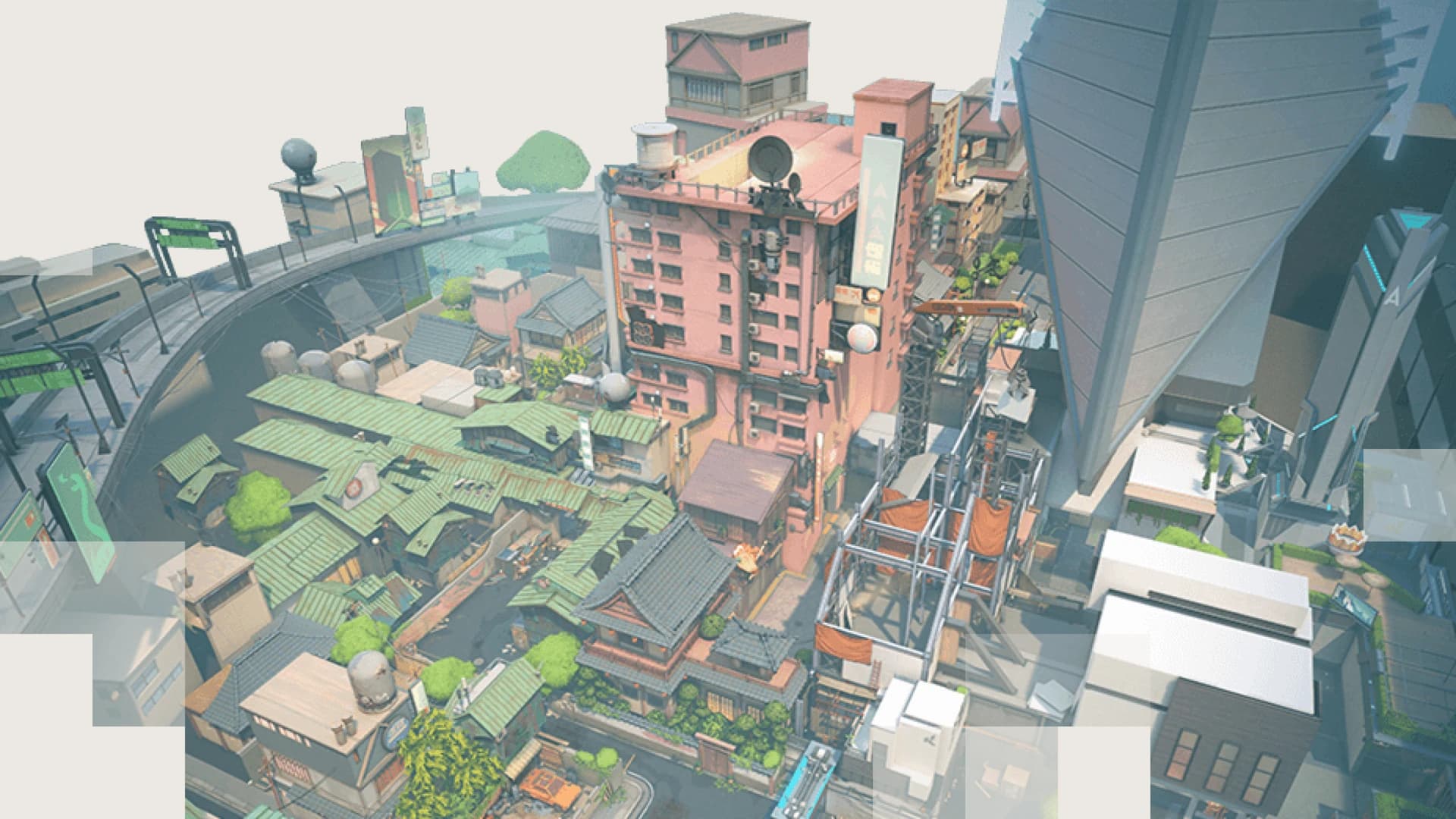
Volpedia is independent and is not affiliated with VALORANT or its publisher. This article combines original editorial writing with credited game media where available. Refer to official sources for late-breaking changes.